Why the calendar starts so early
A factory-direct order has several stages that each take time: offer and samples, production, inspection, transport and customs. With private label or custom designs you add artwork approval, pre-production samples and sometimes laboratory testing. From order to our warehouse, plan about 8–12 weeks for a standard order. Production alone takes around 25–45 days and rail or sea transport to Poland around 25–45 days.
Two fixed points shape the year. Factory holidays in late January–February stop production for three to five weeks. And most toy sales in Europe happen in the last quarter, so everyone wants goods at the same time in autumn.
The toy buying year at a glance
| Season | Plan and sample | Confirm order | Goods typically arrive | On the shelf |
|---|---|---|---|---|
| Christmas | Winter–spring | About April–June | September–October | October–December |
| Christmas private label and custom plush | Winter–early spring | By about May–June | September–October | October–December |
| Summer: sand, water, outdoor | Autumn | About November–February | March–April | April–June |
| Easter plush and gifts | Late summer | Autumn | By February | February–April |
| Back-to-school bags | Winter | About January–April | June–July | July–September |
| Nurseries, schools, museums | All year | Per budget or tender | 8–12 weeks after order | All year |
These are typical dates when orders are placed on time, not guarantees. Freight space, inspections and testing can move them.
Christmas: the season that decides the year
Retailers and chains usually plan their Christmas toy range in winter and spring. Trade fairs in the sector take place in late January–February, and many buyers use them to shortlist products. Orders are confirmed around April–June so that goods arrive in September–October, in time for shelves and catalogues.
For private label and custom plush, the deadline is earlier. Artwork, samples and any EN 71 testing for new designs need time before production starts. Confirm these by about May–June. After that, we recommend stock items only, for which documents and packaging already exist.
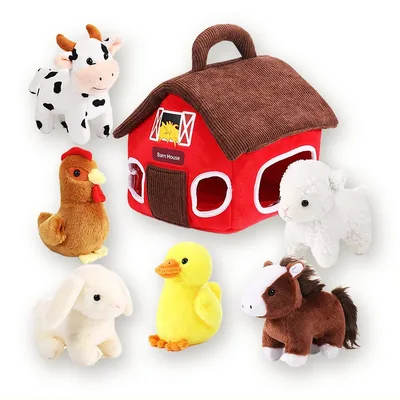
What sells: plush in all sizes, wooden toys, role-play kitchens and tool benches, dollhouses, train sets, puzzles and family games, arts and crafts kits. See our plush toys and wooden toys for the ranges.
Summer: sand, water and outdoor play
Summer is the second season for toys and the one most often ordered too late. Garden centres, supermarkets and seaside shops fill their shelves from April. To have goods in March–April, order around November–February, and note that the factory holidays fall right in the middle of that window. An order placed in January may wait several weeks before production resumes.
Typical summer ranges: bucket and spade sets, sand and water tables, pool games, inflatable beach balls, bubble wands, kites, flying discs and garden games. Aquatic toys and activity toys need specific warnings, so add time for label checks. Our sand and water and outdoor play categories show what we list.
Easter
Easter plush, bunnies, chicks and spring gifts are ordered in autumn for arrival by February. Because Easter moves each year, check the date for the coming season and count back. A late Easter gives a little more time; an early one gives less.
Back to school
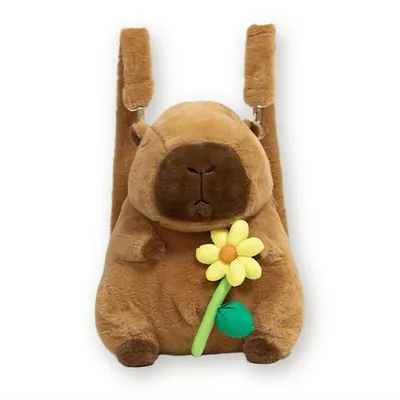
Kids’ backpacks, trolley backpacks, crossbody bags and wallets are ordered around January–April for arrival in June–July. Most bags are not toys and follow the general product safety rules, with textile labelling where it applies. Plush backpacks can be borderline; we check them case by case. See our kids’ bags range.
All-year buyers
Nurseries, schools and education suppliers buy on budgets and tenders, often at the start of the school year or at the end of a budget year. Museum, zoo and aquarium shops reorder steadily, with peaks before the summer holiday season. For these buyers, the main planning point is the factory holiday: an order placed in December or January may arrive later than usual.
Where the time goes in a private-label order
Buyers often underestimate the steps before production. For a private-label or custom item, count roughly as follows:
- offer and first samples: 2 working days for the offer, then 7–14 days for samples;
- artwork for packaging, labels and warnings in every language: one to three weeks, depending on how quickly proofs are approved;
- pre-production sample with your logo: another sample round;
- laboratory testing where no valid EN 71 report exists for the design: quoted in advance and scheduled before shipment;
- production: around 25–45 days;
- inspection, then transport to Poland in about 25–45 days by rail or sea, or 7–12 days by air for small urgent lots.
Stock items skip most of these steps, which is why they remain an option after the private-label deadline has passed.
How to build your own plan
- Fix the date the goods must be on the shelf, not the date you want to order.
- Count back: transit, inspection, production, samples, testing and artwork approval.
- Mark the factory holidays in late January–February and add a buffer around them.
- Split the range: stock items can be ordered later than private label or custom items.
- Reserve freight space early for September and October arrivals.
- Keep a small reorder budget for bestsellers; reorders take the full lead time again.
A worked example: a Christmas range with private label
Take a hypothetical toy shop chain that wants 12 wooden toys under its own brand for Christmas. In February it shortlists products and requests samples. In March it approves samples and sends artwork. In April–May packaging proofs are approved and, where needed, testing is arranged. In May–June orders are confirmed and production starts. Goods are inspected, shipped and, when ordered on time, typically arrive in September–October. Stock items for the same range can be added until early summer.
Talk to us early
The most useful conversation about Christmas happens in winter. Send us your plan or ask for an offer; we reply within 2 working days and show the dates that work backwards from your shelf date. Our how it works page explains each stage.