What EN 71 is
EN 71 is a series of European standards for toy safety. They are harmonised under the Toy Safety Directive 2009/48/EC, which means a toy that meets the relevant parts is presumed to meet the matching safety requirements of the Directive. The standard is not a certificate and not a mark. A test report is evidence that a sample of a toy met the requirements of certain parts on a certain date.
That evidence belongs in the manufacturer’s technical documentation. As importer or retailer you use it to check that the conformity assessment was done. You do not hang it on the shelf.
The parts you will see most often
The series has several parts. For the ranges we import, four matter in daily buying:
| Part | What it covers | Typical toys |
|---|---|---|
| EN 71-1 | Mechanical and physical properties: small parts, sharp edges and points, seam strength, cords, stability, accessible gaps | Practically every toy |
| EN 71-2 | Flammability | Plush, dress-up costumes, play tents and teepees, toys with hair |
| EN 71-3 | Migration of certain elements from accessible materials | Painted and coated toys, plastics, modelling clay, crayons, textiles |
| EN 71-8 | Activity toys for domestic use | Swings, slides, rockers and similar garden or indoor play equipment |
Other parts exist for other product types. Which parts apply is decided by the manufacturer’s safety assessment, not by a fixed list per category. If you are unsure, ask the laboratory or ask us.
EN 71-1 in practice
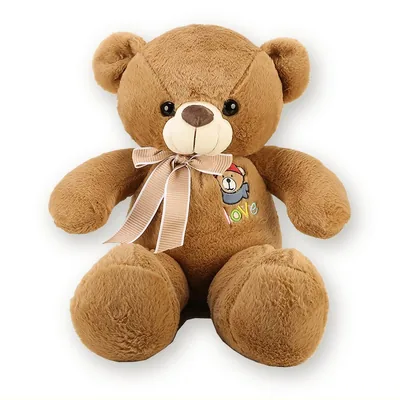
This is where most failures sit. The laboratory checks whether parts fit inside the small-parts cylinder, whether eyes and noses on plush survive torque and tension tests, whether seams hold, and whether the toy produces sharp edges after drop and abuse tests. It also checks cord lengths on pull-along toys and the age grading in relation to the design. A toy intended for children under 3 must not have small parts, before or after these tests.
EN 71-2 in practice
Textile toys and toys you can wear or get inside are tested for how fast a flame spreads. Plush toys, dress-up sets and play tents are the usual cases. A change of fabric or pile length can change the result.
EN 71-3 in practice
This part measures how much of certain elements can migrate from a material, for example from paint scraped off a wooden toy or from a piece of modelling dough. Limits differ by type of material: dry and brittle, liquid or sticky, and scraped-off. Each colour and each material is a separate test point, which is why EN 71-3 reports on painted toys can be long.
EN 71-8 in practice
Swings, slides and rockers for home use are checked for stability, strength, entrapment and fall hazards. These products also need specific warnings and assembly instructions.
How to read a report in ten minutes
Open the report and check these points in order:
- Applicant and manufacturer. Is the factory named on the report the one you buy from, or at least clearly linked to it?
- Laboratory. Is it an accredited laboratory? The accreditation logo and number are usually on the first page.
- Product description and photos. Same model, size, colours and materials as your sample? A report for a 30 cm bear does not cover a 60 cm bear in a different fabric.
- Parts and editions. Which EN 71 parts are listed, and which edition of each standard? Old editions can be outdated.
- Age grade. Was the toy tested for the age group printed on your box?
- Results. Every clause should read pass or not applicable. Look for footnotes that limit the scope.
- Date. A recent date is better. If the product or a material has changed since, the report may no longer cover it.
Common problems we see
- The report covers a range by name, but the photos show only one item from it.
- The report covers EN 71-1 only, while the toy is painted or made of textile.
- The product has changed colour or supplier of paint since the test.
- The age grade on the box is lower than the one tested.
- The document is a summary certificate from an unknown body rather than a test report.
None of these automatically makes a toy unsafe. They do mean the report does not show what you need it to show, and you should ask for more before you buy.
When new testing is needed
A new design, a custom plush mascot, a new colour on a painted toy or a different material usually needs new or additional tests. For custom or new designs we say it plainly: if no valid report exists for the design, we arrange testing in an accredited laboratory before shipment, at your cost, quoted in advance. The cost depends on the toy and the parts of EN 71 that apply. Plan this time into your order, especially for Christmas ranges with your own brand. Our custom plush page explains how this fits into the sample stage.
EN 71 is not the whole picture
The Directive also covers chemical requirements beyond EN 71-3, and REACH restricts substances such as certain phthalates in plastic toy parts and PAH in rubber and plastic parts. Where the material requires it, we request REACH declarations or test reports from the manufacturer. Labels, warnings and addresses are checked separately from the report. The new EU Toy Safety Regulation adopted in 2025 will replace the Directive after a transition period, and we follow that transition.
How we handle it
Toys are supplied with the manufacturer’s EN 71 test reports on request, and we check the documents before shipment. If you buy for a chain or marketplace that asks for reports per item, tell us at the quote stage so we collect them in the right form. More detail is on our toy safety page and our quality control page.